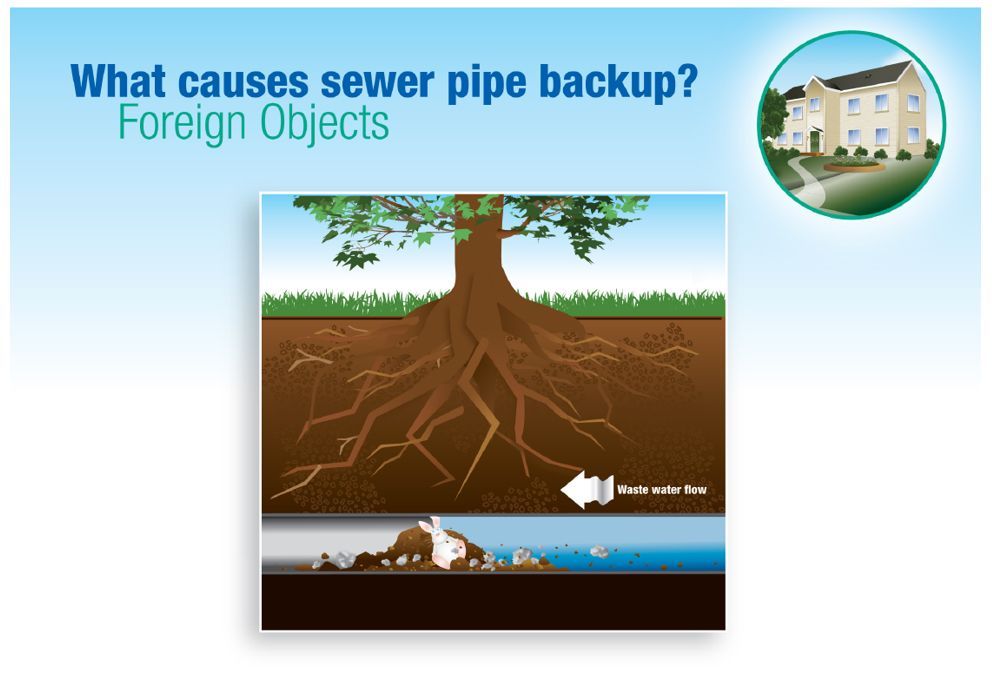
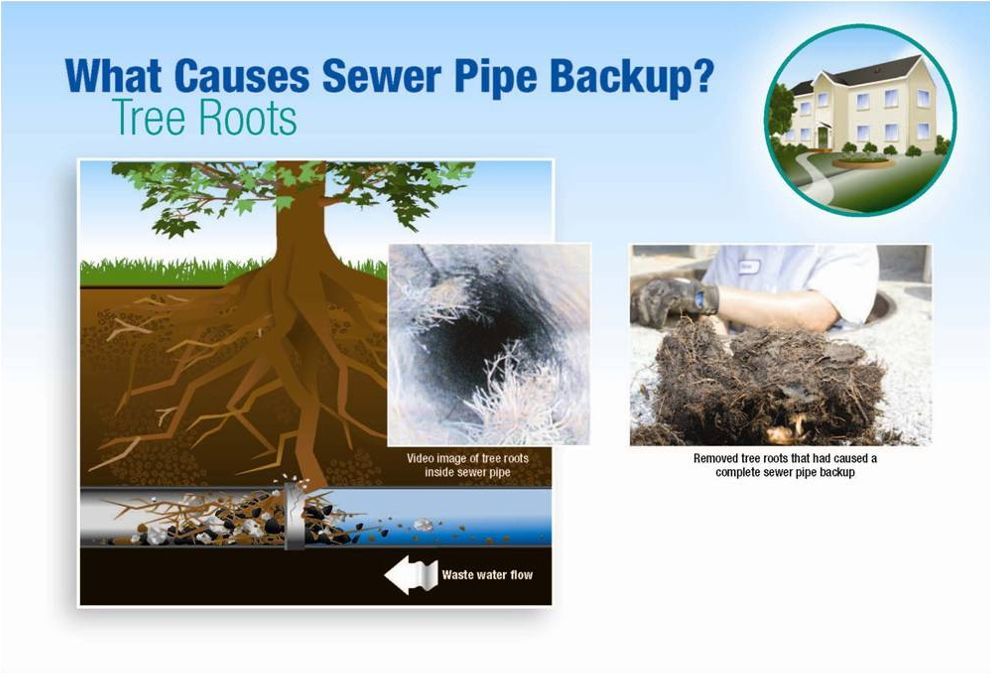
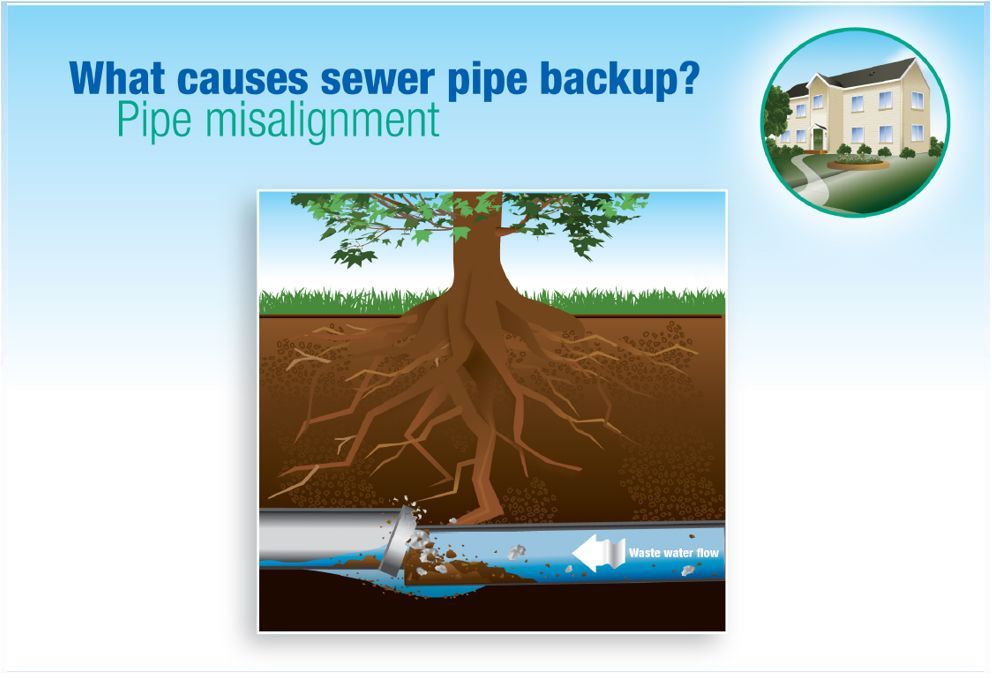
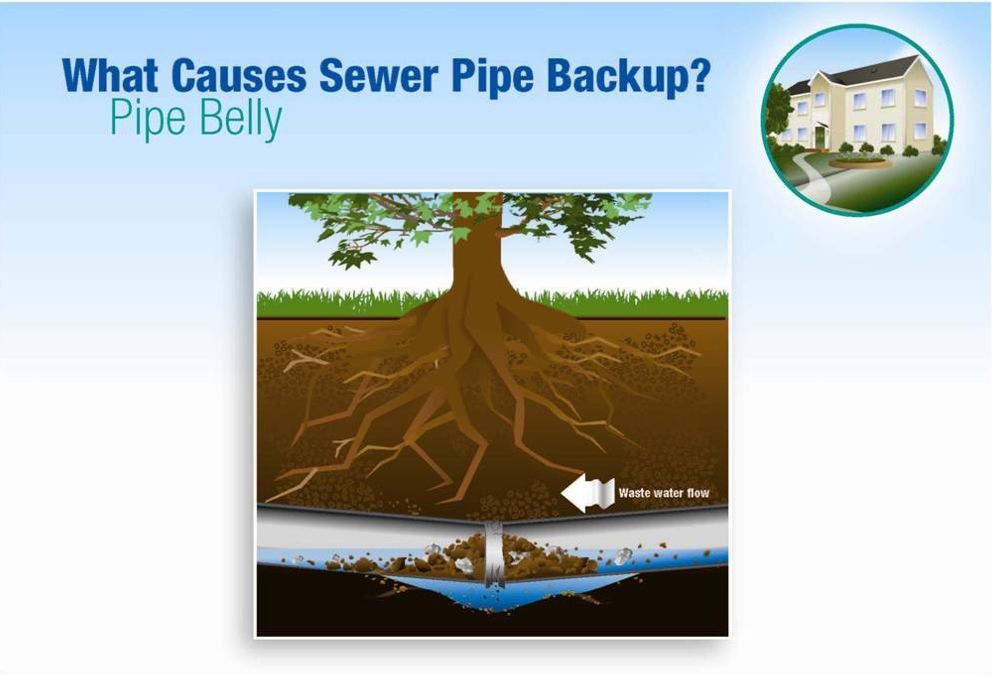


Multiple Drains Backing Up
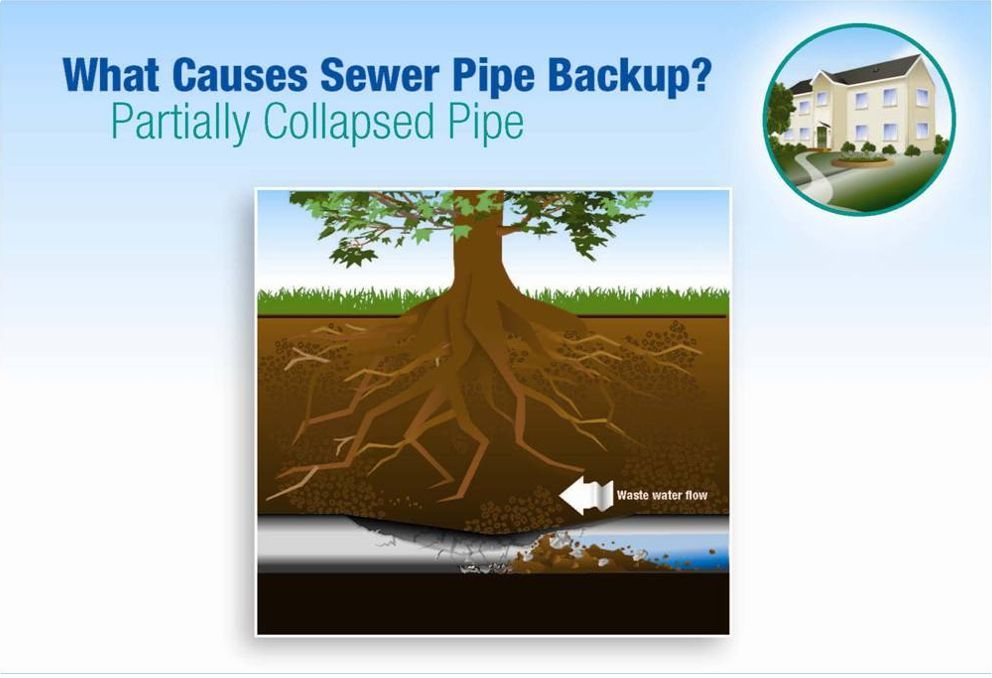
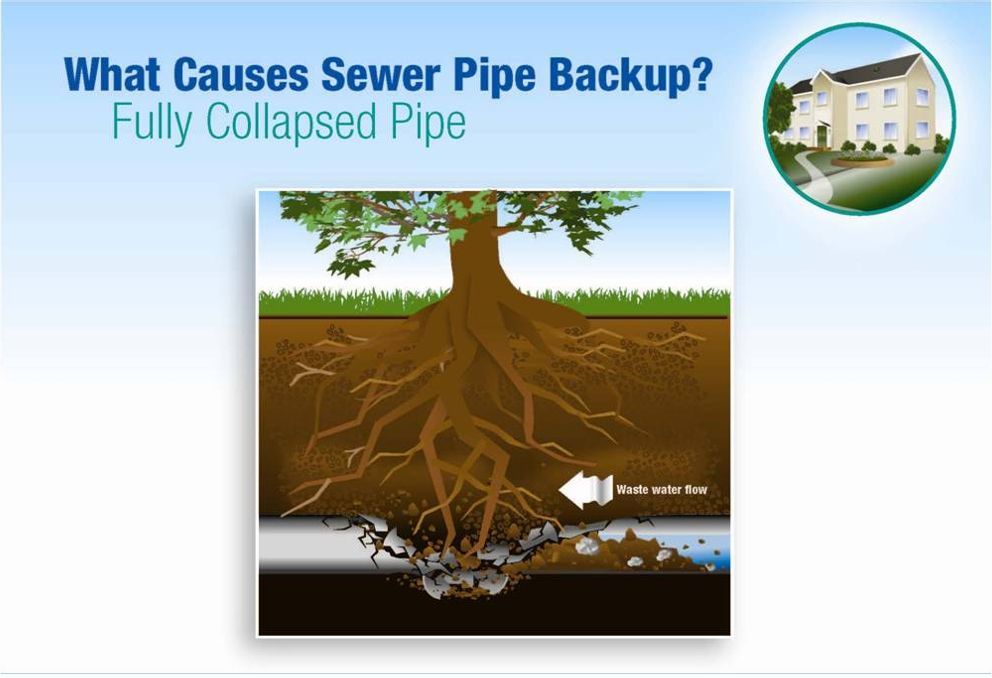
If more than one drain backs up at once, the problem may be in your main sewer line. You might notice water backing up in sinks, tubs, or floor drains when you flush a toilet or run water. This is a sign that wastewater has nowhere to go and needs attention. With a free camera inspection, we can inspect the line to find the cause and recommend the right repair.
Slow Drains in the Home
One slow drain is often a clog in that fixture. But if several drains in your home are slow at the same time, the problem may be in your main sewer line. As the blockage gets worse, water has a harder time flowing out of your home. Having the line checked early can help prevent a full backup.
Toilets That Gurgle After Flushing
A toilet that gurgles after you flush can be a sign of a sewer line problem. The sound happens when air gets trapped in the plumbing because wastewater cannot flow the way it should. If the gurgling happens often or you notice other slow drains, it's a good idea to get it inspected. Give us a call for a free camera inspection!
Sewage Odors in Your Home
A strong sewer smell inside your home is not normal. It can mean wastewater is not flowing through the sewer line the way it should. A clog, damaged pipe, or sewer backup can all cause these odors. If the smell does not go away, give us a call! We can do a free camera inspeciton to see if there's a backup.
Water backing Up Into Your Basement
Water backing up into a basement floor drain is often a sign of a problem in the main sewer line. As wastewater builds up, it looks for the lowest place to escape, which is often the basement. Even a small amount of water can point to a larger issue. If there's any doubt, give us a call! We can do a free camera inspection to make sure everything is flowing correctly.
Frequent Clogs That Keep Coming Back
A clog that keeps coming back may be more than a problem with one drain. If you clear a sink, toilet, or tub and it clogs again soon after, the blockage could be deeper in your main sewer line. A free camera inspection can help find the cause and prevent the problem from returning.
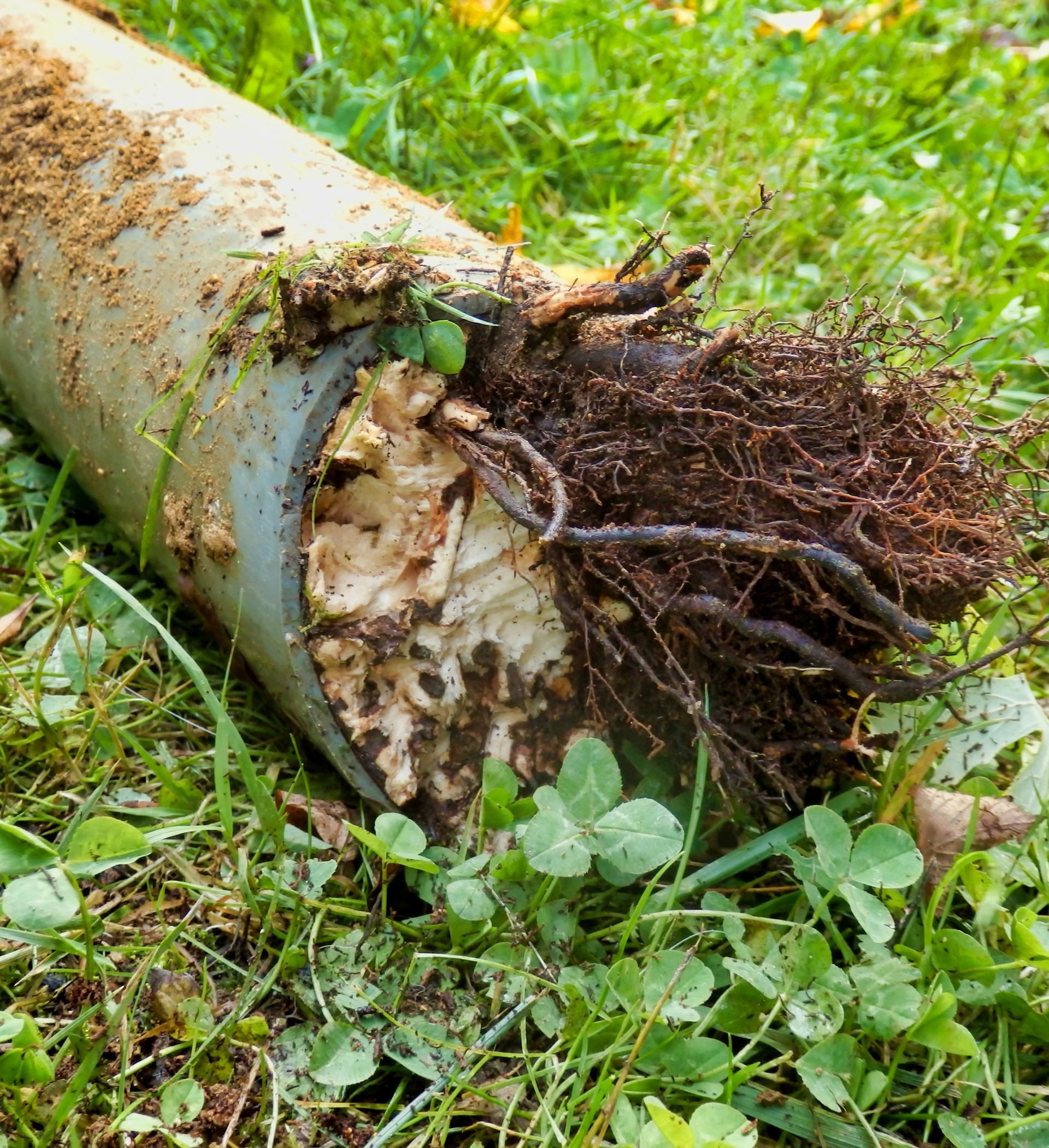
A sewer problem rarely happens overnight. Most sewer line issues begin with small warning signs like slow drains or gurgling toilets before becoming a messy and expensive emergency.
At Michigan Plumbing, we use professional sewer camera inspections to locate the exact problem inside your sewer line. That means no guessing and no unnecessary digging. And best of all? We'll provide you with a mainline camera inspection for FREE!
Your Sewer Repair Options
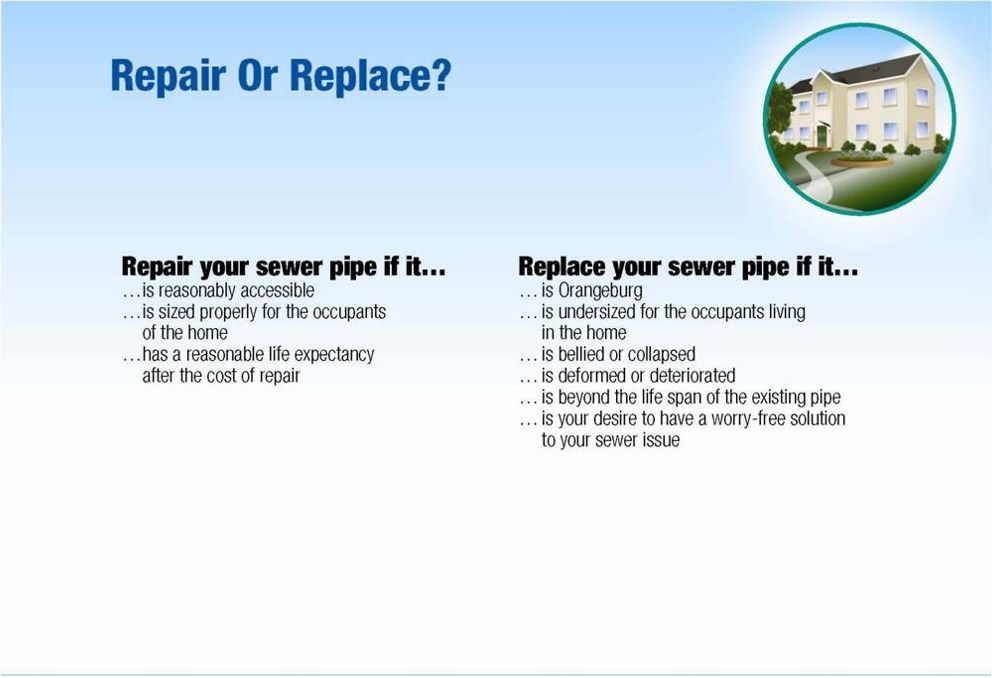
Every sewer problem is different. That's why we recommend repairs based on the actual condition of your sewer line.
Sewer Cleaning
Ideal for removing roots, grease buildup, and other obstructions when the pipe is still structurally sound.
Spot Repairs
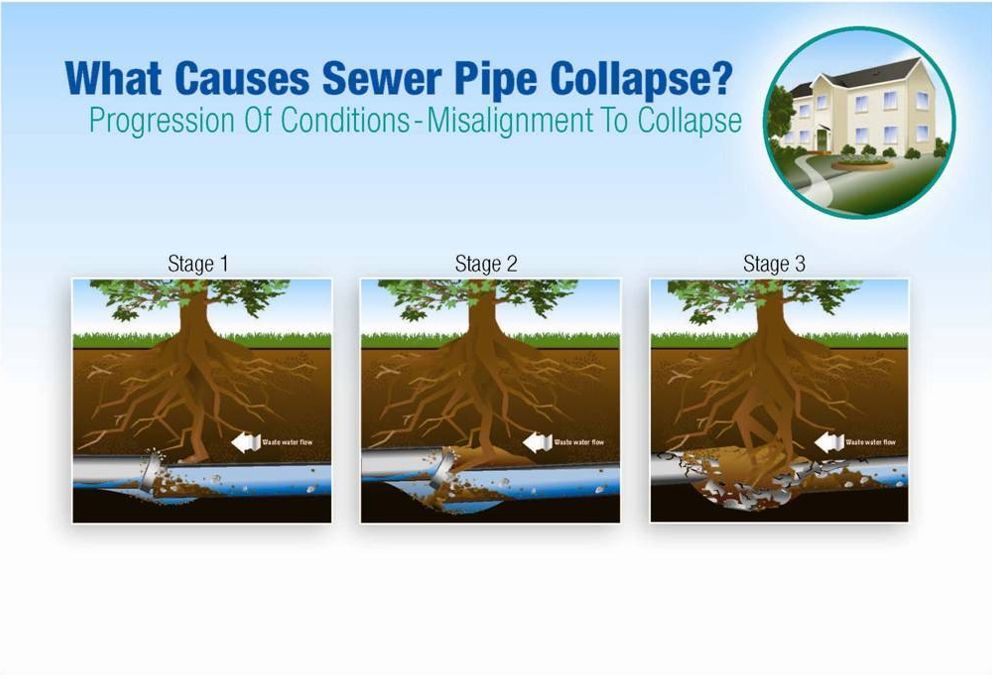
When damage is limited to one section of pipe, we can often repair only the affected area instead of replacing the entire sewer line.
Complete Sewer Replacement
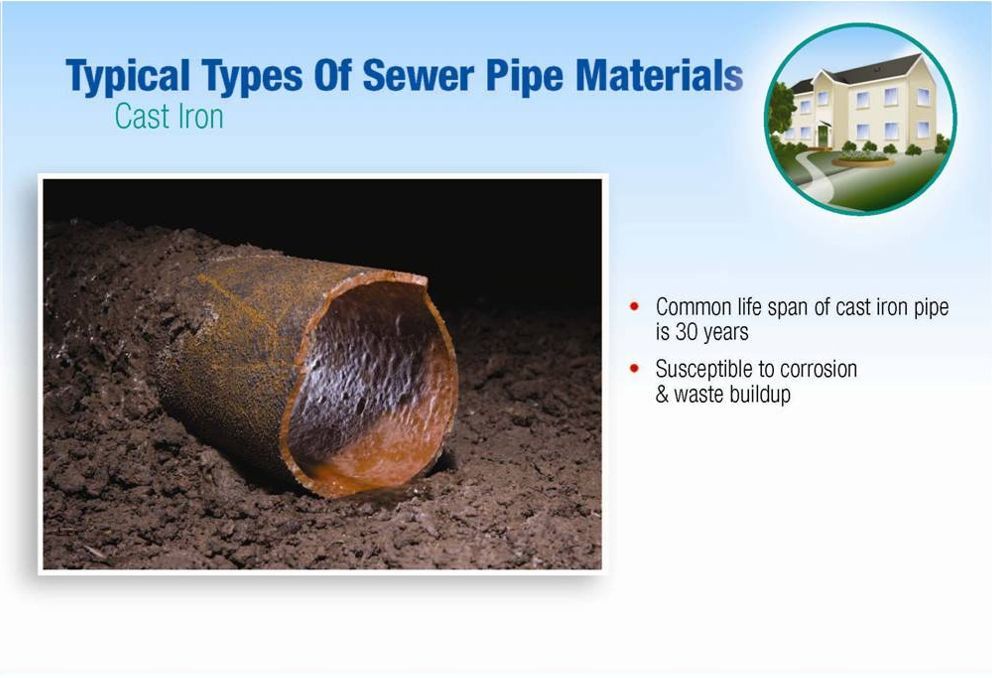
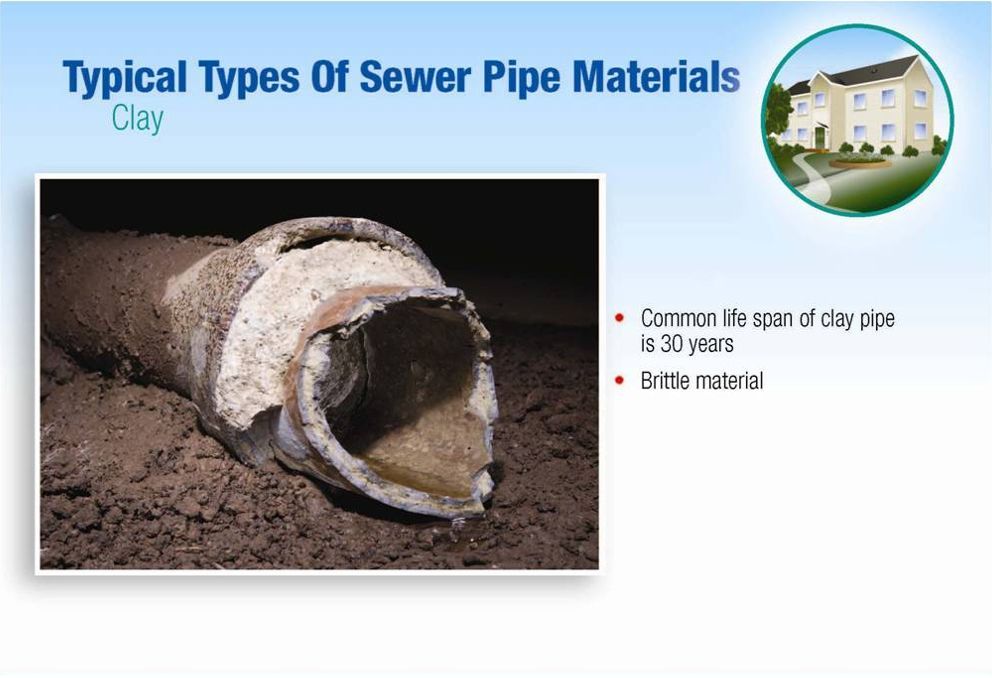
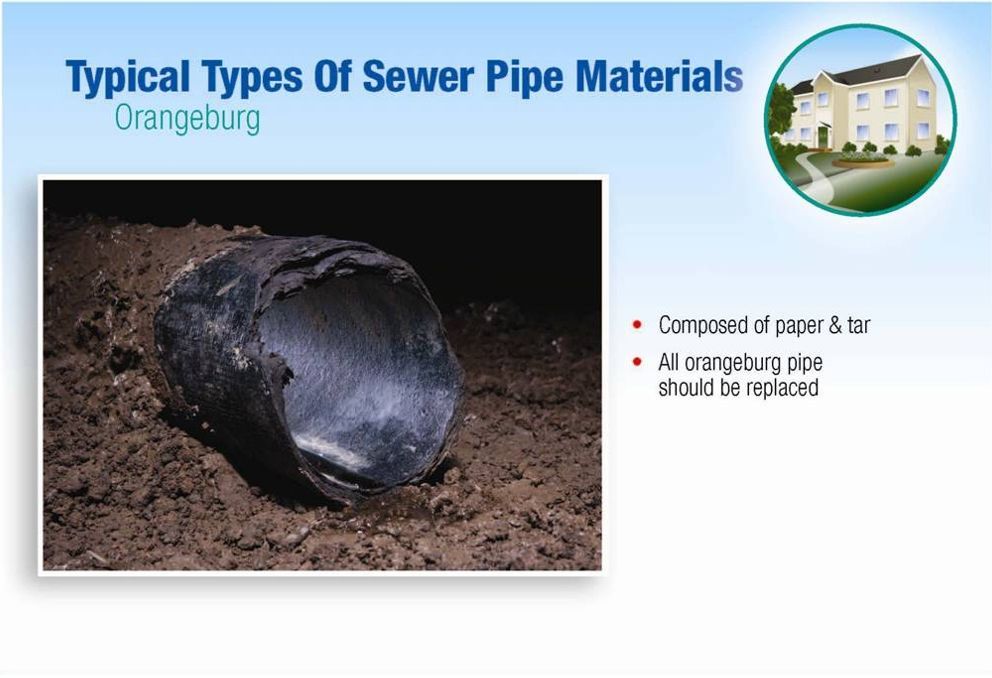
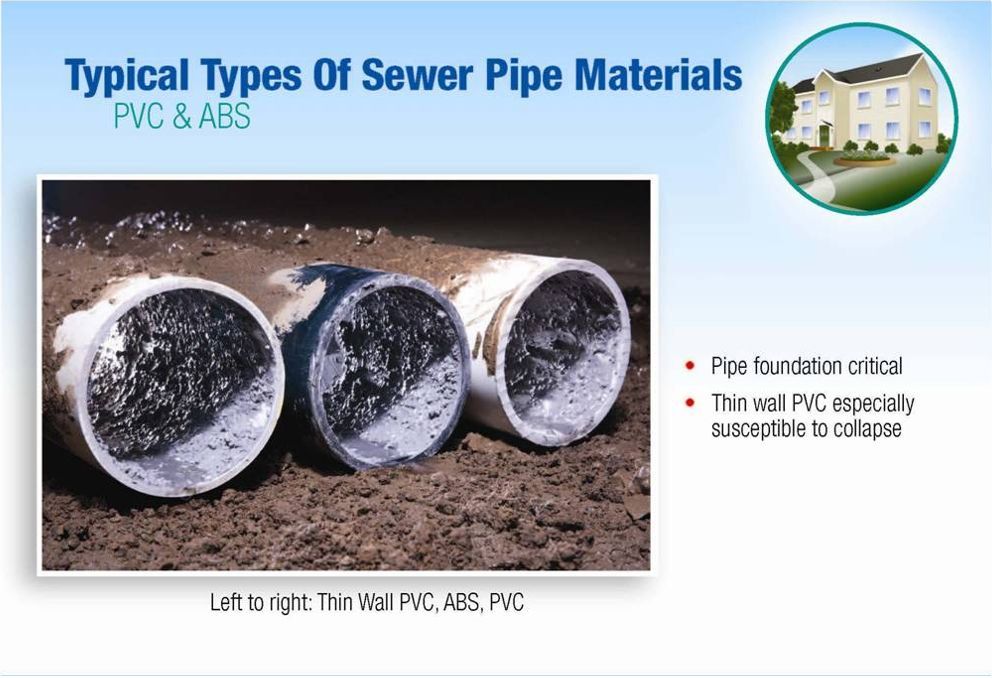
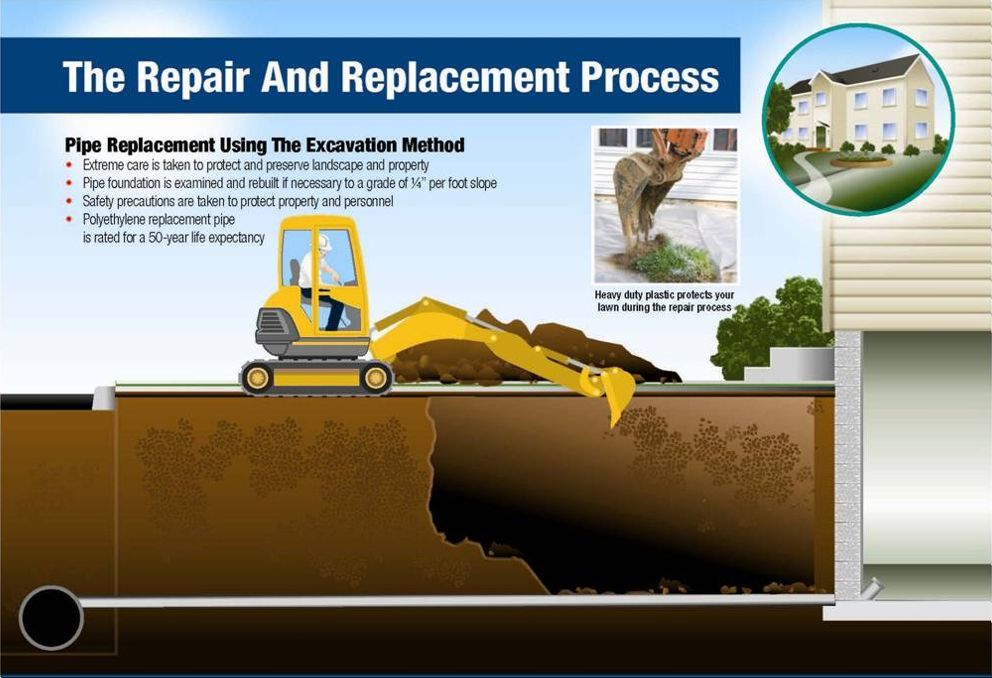
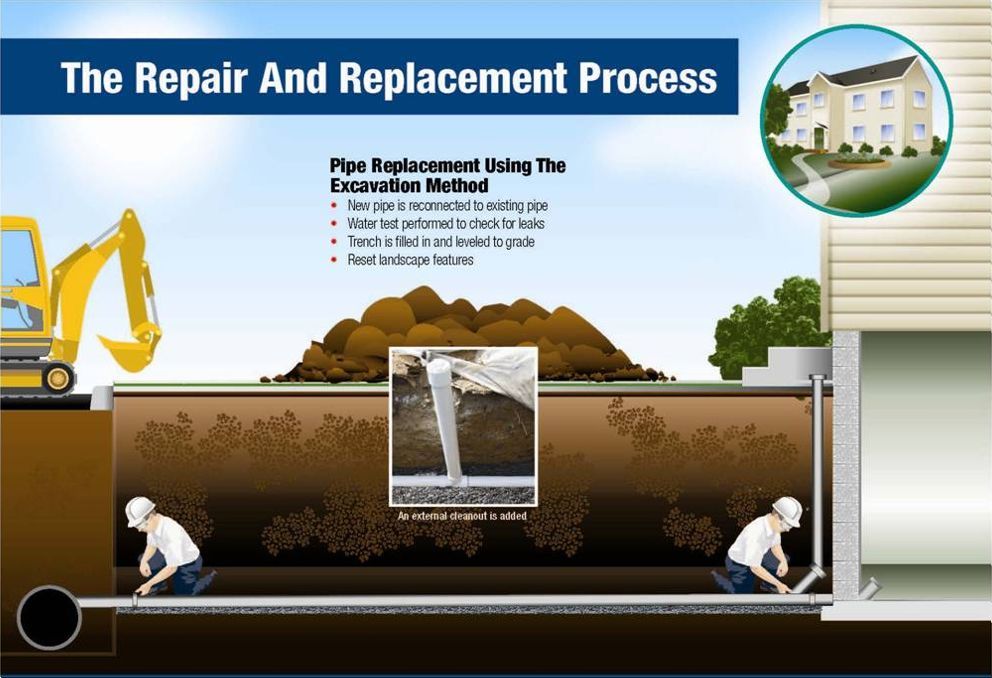
If the sewer line has extensive damage, multiple failures, or has reached the end of its lifespan, replacement may be the most reliable long-term solution.
We'll explain every option, answer your questions, and help you choose the repair that's right for your home.
Every Solution Begins With A FREE Camera Inspection
Before recommending any repair, we inspect your sewer line with a high-definition camera.
This allows us to:
- Find the exact location of the problem
- Determine what's causing the blockage
- Evaluate the overall condition of the pipe
- Recommend the most cost-effective repair
You'll be able to see exactly what we see, so you can make an informed decision with confidence.
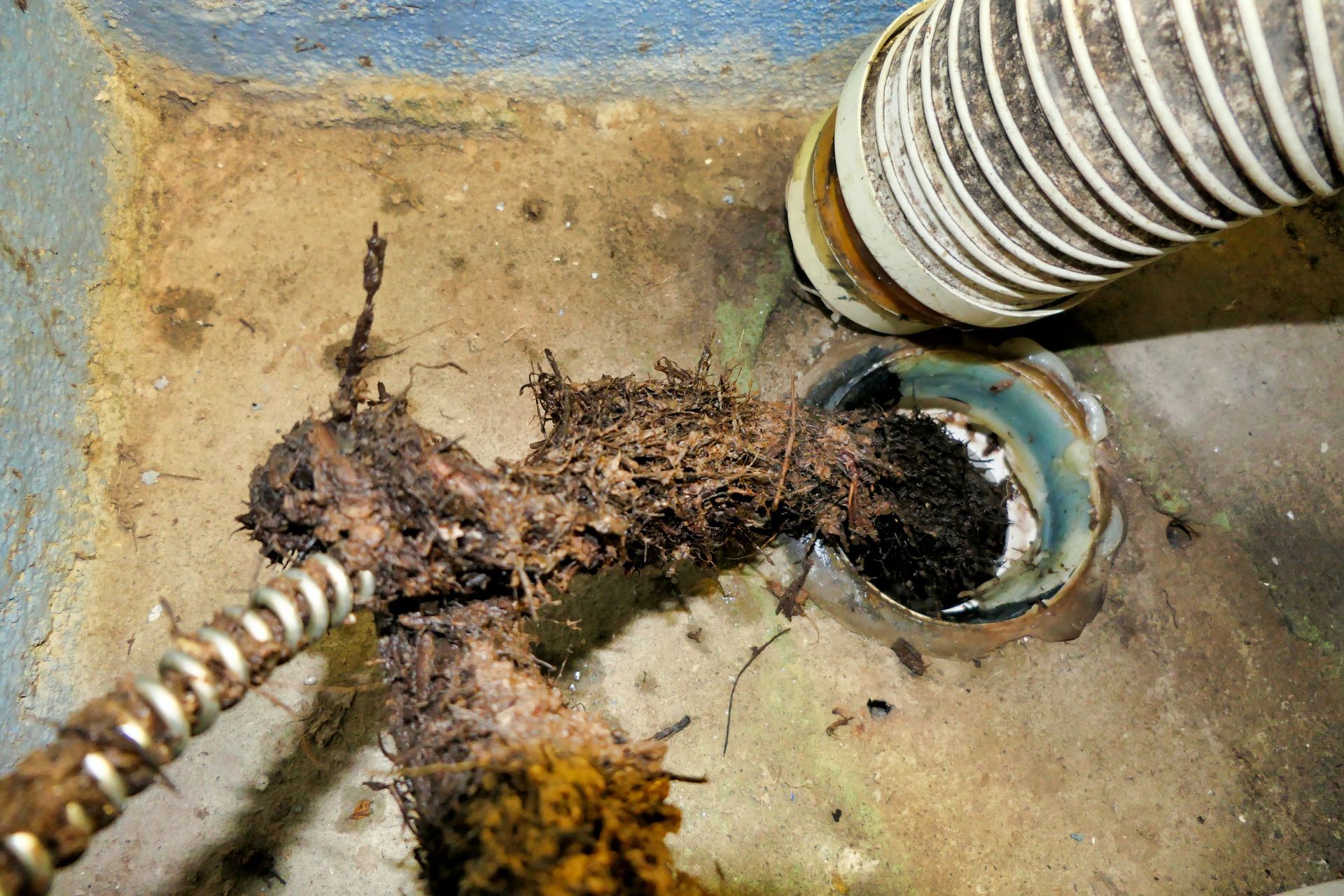

Can Tree Roots Come Back?
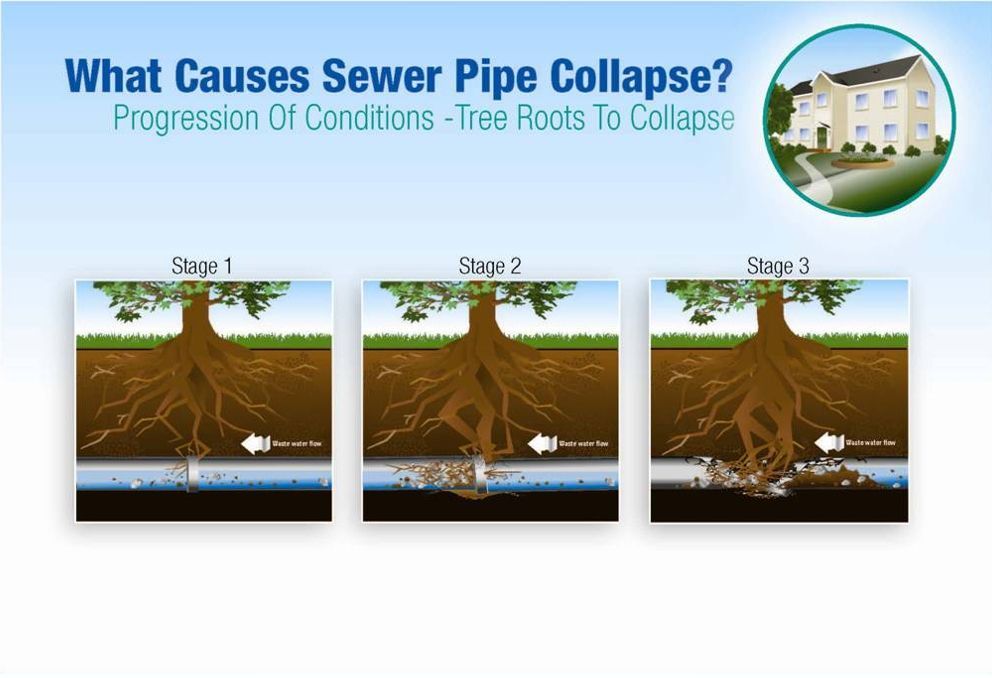
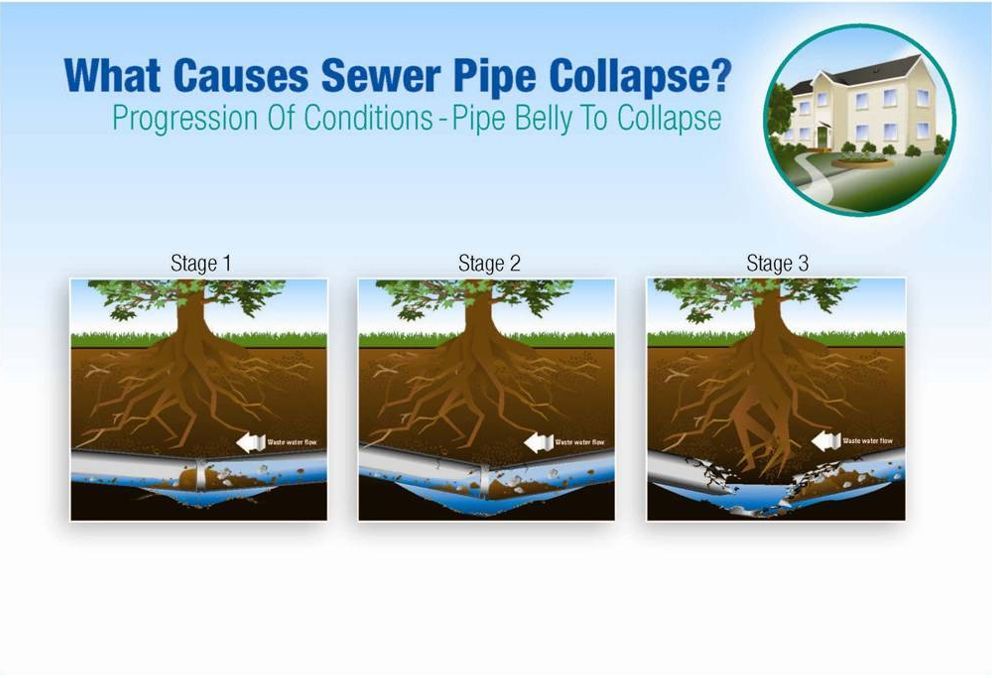
Yes. Cleaning removes the roots, but if the pipe is damaged, roots may eventually return. In many cases, repairing the damaged section provides a longer-lasting solution.
Do I Always Need A New Sewer Line?
Yes. Cleaning removes the roots, but if the pipe is damaged, roots may eventually return. In many cases, repairing the damaged section provides a longer-lasting solution.
How Long Does A Sewer Replacement Take?
Most residential sewer replacements can be completed within one to two days, depending on the complexity of the project.
Will You Have to Dig Up My Entire Yard?
Not necessarily. The amount of excavation depends on the location and condition of the sewer line. We'll explain exactly what to expect before work begins.
Protect Your Home Before the Next Backup
A sewer backup can cause thousands of dollars in damage. The sooner you identify the problem, the more repair options you may have. If you're experiencing slow drains, recurring clogs, or sewage backups, give us a call to schedule your FREE camera inspection today!